A Practical Guide to Near-Infrared Cameras for Machine Vision
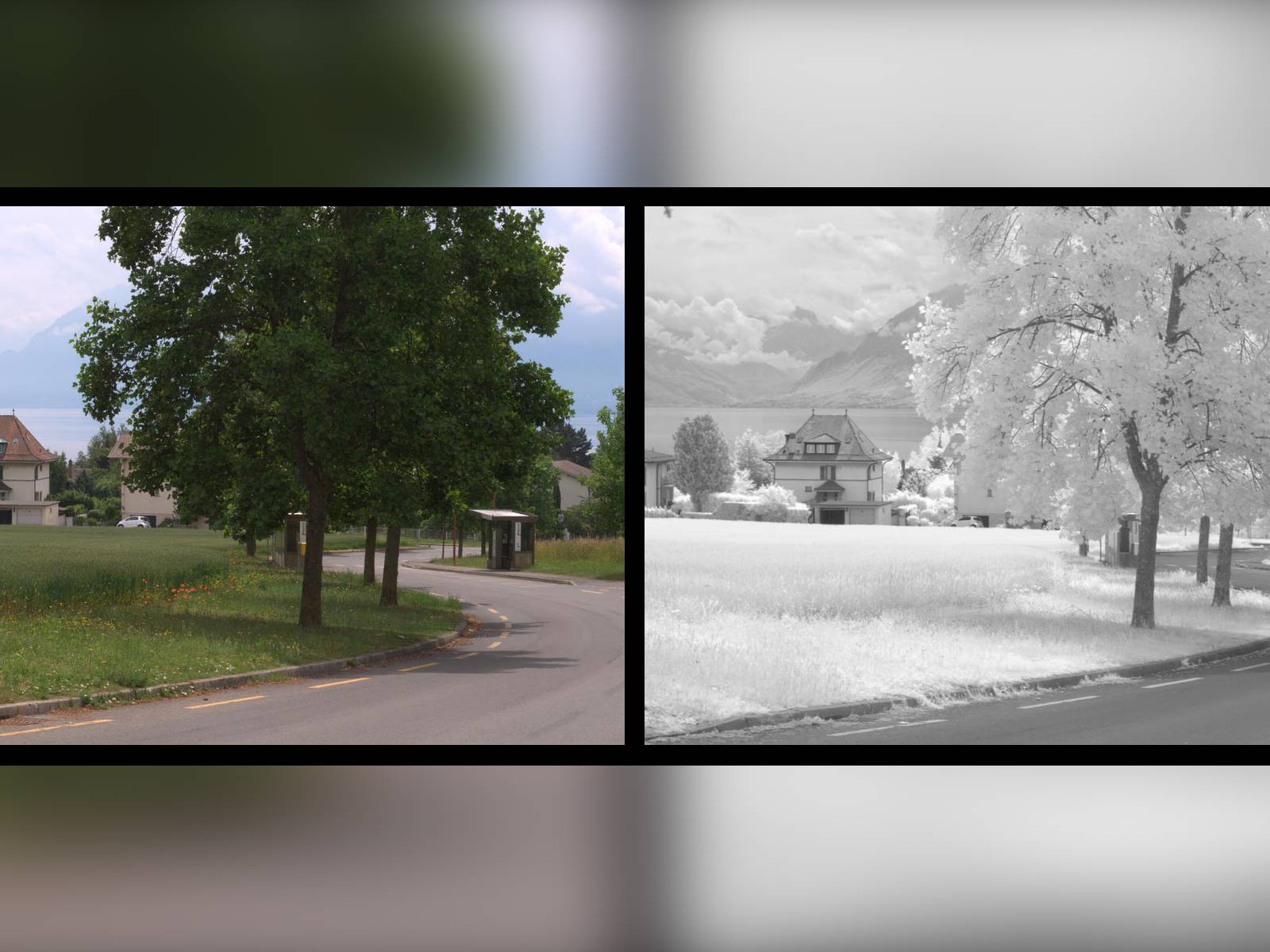
Near-infrared, or NIR, cameras are becoming increasingly important in modern machine vision systems. While standard cameras operate in the visible light spectrum, NIR cameras are designed to capture wavelengths just beyond what the human eye can see. This capability allows them to reveal details that are otherwise hidden, making them valuable in industrial inspection, research, medical imaging, and automation.
In many environments, visible light imaging is not enough. Materials may look similar in color but behave very differently under near-infrared light. Certain defects, moisture content, or contaminants may not be visible in the standard spectrum. NIR cameras solve this problem by providing enhanced contrast and deeper insight into materials and processes.
What Is Near-Infrared Imaging
Near-infrared light sits just beyond the visible spectrum, typically between 700 nm and 1000 nm, although some sensors can detect even further into the infrared range. Human eyes cannot detect this light, but specially designed sensors can capture it and convert it into a usable image.
In a typical machine vision setup, a NIR camera is paired with a light source that emits near-infrared wavelengths. The camera sensor is optimized to respond strongly to these wavelengths, allowing it to detect features that standard cameras might miss.
For example, in plastic sorting, different polymers may appear identical under visible light. Under NIR illumination, they reflect light differently, allowing automated systems to identify and separate them accurately.
How NIR Cameras Work
At the heart of every NIR camera is an image sensor that converts incoming light into electrical signals. The effectiveness of this conversion is measured using quantum efficiency, or QE. This value represents the percentage of incoming photons that are converted into electrons.
In NIR cameras, the sensor is designed to have higher quantum efficiency at near-infrared wavelengths such as 850 nm or 940 nm. A higher QE at these wavelengths means better sensitivity and clearer images in low light or NIR-based inspection systems.
Another important feature in many machine vision NIR cameras is the global shutter. Unlike rolling shutters, which capture an image line by line, global shutters capture the entire frame at once. This eliminates motion distortion and is essential for high-speed industrial processes.
Key Advantages of NIR Imaging
NIR imaging offers several practical benefits in machine vision systems. These advantages make it suitable for applications where visible light cameras struggle.
Some of the main advantages include:
- Improved performance in low-light or nighttime conditions
- Better contrast between materials with similar visible colors
- Ability to detect internal defects or moisture
- Reduced impact from ambient lighting changes
- Non-destructive inspection of products and components
Because NIR light interacts differently with materials, it can highlight features that are invisible in standard imaging systems. This allows manufacturers to detect defects earlier and improve overall quality control.
Important Specifications to Consider
When selecting a NIR camera for machine vision, several technical factors should be evaluated. The right combination of these specifications depends on the application.
Sensor Sensitivity
Quantum efficiency at specific NIR wavelengths is one of the most critical factors. For example, QE at 850 nm or 940 nm indicates how effectively the sensor can capture near-infrared light.
Resolution and Pixel Size
Higher resolution provides more detail, which is useful for inspection tasks that require precision. Larger pixel sizes generally improve sensitivity, especially in low-light environments.
Frame Rate
Frame rate is important in high-speed production lines. A higher frame rate allows the camera to capture fast-moving objects without blur.
Interface and Connectivity
Many industrial NIR cameras use GigE Vision interfaces. These allow long cable runs, easy integration, and compatibility with third-party software. Power over Ethernet simplifies installation by combining power and data in one cable.
Environmental Protection
In harsh industrial environments, cameras may be exposed to dust, moisture, and vibration. IP-rated housings and rugged connectors help ensure reliable operation over long periods.
Common Applications of NIR Cameras
NIR cameras are used across a wide range of industries. Their ability to reveal hidden details makes them suitable for both inspection and research.
Night and Low-Light Imaging
NIR cameras perform well in environments where visible light is limited. They are commonly used in surveillance, transportation, and monitoring systems.
Material and Plastic Sorting
Automated recycling systems rely on NIR cameras to identify different materials. By analyzing how materials reflect NIR light, systems can sort plastics, textiles, and other materials with high accuracy.
Food and Beverage Inspection
NIR imaging is widely used in food processing. It helps detect:
- Moisture variations
- Contamination
- Internal defects
- Foreign materials
These inspections can be performed without damaging the product, making NIR ideal for quality control.
Medical and Life Sciences
In medical imaging and research, NIR cameras enable non-invasive visualization of tissues and biological materials. They are used in diagnostics, laboratory analysis, and scientific studies.
Research and Development
NIR cameras are frequently used in research environments for spectral analysis, material testing, and experimental imaging setups. Their sensitivity to specific wavelengths allows researchers to study properties that are not visible in standard imaging.
NIR vs Visible and SWIR Cameras
Understanding the differences between NIR, visible, and short-wave infrared (SWIR) cameras is important when selecting the right technology. Visible cameras operate in the 400 to 700 nm range. They are suitable for general imaging and color-based inspection tasks. NIR cameras typically operate from about 700 to 1000 nm. They provide better performance in low light and improved material contrast. SWIR cameras operate in the 900 to 1700 nm range or beyond. They are used for advanced applications such as moisture detection, semiconductor inspection, and defense imaging.
In many industrial environments, NIR cameras offer the best balance of performance, cost, and ease of integration.
Choosing the Right NIR Camera
Selecting the right NIR camera depends on the specific requirements of the application. Some key questions to consider include:
- What wavelength range is required for the task
- What resolution and frame rate are needed
- Will the camera operate in a harsh or controlled environment
- Is a compact board-level camera or a rugged industrial model required
Board-level cameras are ideal for embedded systems and space-constrained designs. Industrial cameras with IP-rated housings are better suited for factory floors and outdoor installations.
Integration Considerations
A successful NIR imaging system requires more than just the camera. Proper integration ensures reliable performance.
Important integration factors include:
- Selecting the correct NIR light source
- Choosing lenses that transmit near-infrared wavelengths
- Ensuring compatibility with machine vision software
- Proper mounting and enclosure design
Attention to these details helps achieve consistent results and reduces system downtime.
Future Trends in NIR Machine Vision
NIR imaging technology continues to evolve. Modern sensors offer higher sensitivity, faster frame rates, and improved image quality. Cameras are also becoming more compact and rugged, making them easier to integrate into industrial systems.
As automation increases across industries, the demand for reliable inspection technologies will continue to grow. NIR cameras are expected to play a key role in smart manufacturing, robotics, and advanced quality control systems.
Conclusion
Near-infrared cameras provide capabilities that standard visible-light cameras cannot match. By capturing wavelengths beyond the visible spectrum, they reveal hidden details, improve material contrast, and enable reliable inspection in low-light environments.
From plastic sorting and food inspection to medical imaging and research, NIR cameras are an essential tool in modern machine vision. Choosing the right camera and integrating it properly can significantly improve accuracy, efficiency, and product quality.
As sensor technology continues to advance, NIR imaging will remain a practical and powerful solution for a wide range of industrial and scientific applications. If your application requires imaging beyond visible light, a well-designed NIR camera system can provide the performance and reliability needed for success.
