Download Catalogue
Enter your details below to download the EOIR product catalogue.
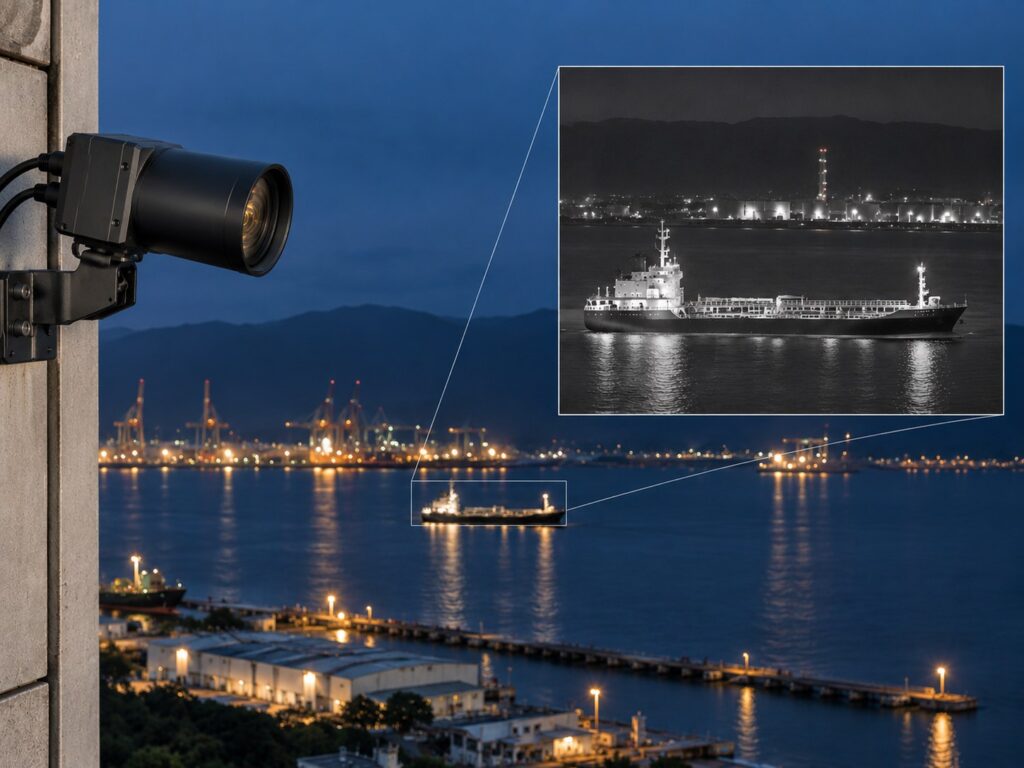
SWIR Cameras with Zoom Lenses: A New Approach to Long-Range Surveillance Long-range surveillance has traditionally relied on visible cameras, Long-Wave Infrared (LWIR), and Mid-Wave Infrared (MWIR) imaging systems. Each technology has its strengths, but the requirements of modern surveillance are changing. Security teams increasingly need higher resolution, longer-range identification, better performance in challenging visibility conditions, and systems that can deliver these capabilities without the cost and complexity associated with high-end thermal imaging. This is where Short-Wave Infrared (SWIR) cameras with high-performance zoom lenses are gaining attention. By combining high-resolution SWIR sensors with long-focal-length optics, it is possible to build surveillance systems capable of delivering highly detailed monochromatic imagery at extremely long distances. In some configurations, SWIR lenses can reach focal lengths of up to 2,500 mm, opening up new possibilities for border security, maritime surveillance, critical infrastructure protection, and other long-range observation applications. What Is SWIR Imaging? SWIR, or Short-Wave Infrared, generally refers to infrared wavelengths around the 0.9–1.7 μm range in commonly used InGaAs-based cameras. It occupies a position between visible/NIR imaging and traditional thermal infrared technologies such as MWIR and LWIR. One of the most important differences is…
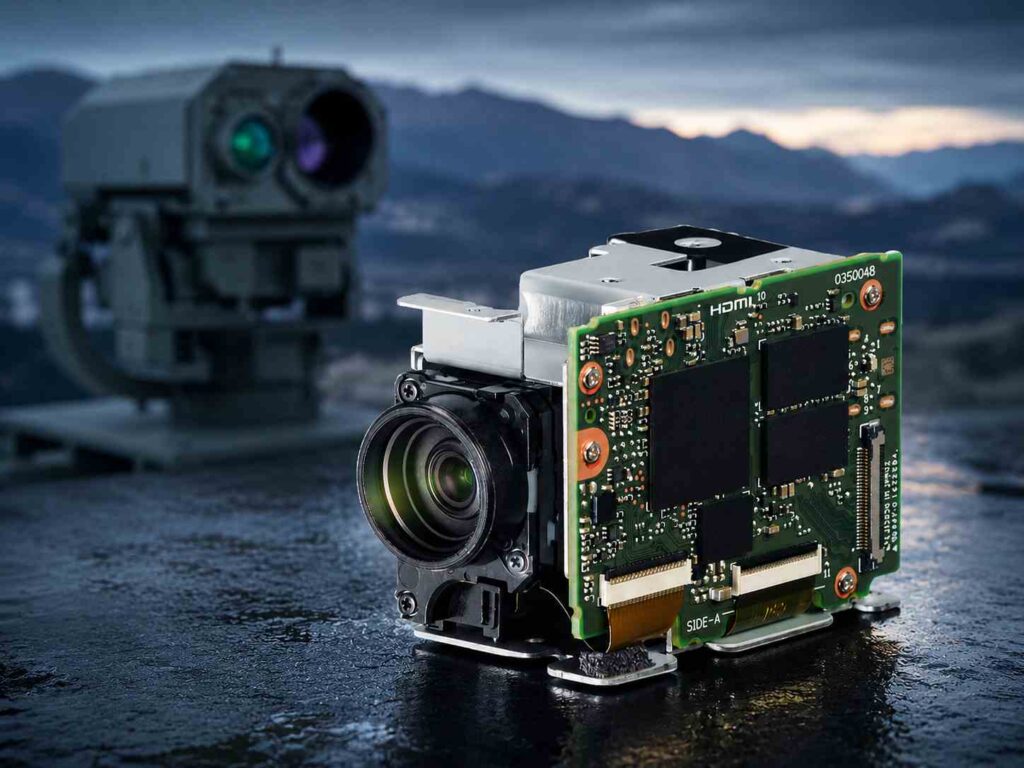
Selection Guide for Zoom Block Cameras in EOIR Systems Electro-Optical Infrared (EOIR) systems are widely used in surveillance, defense, industrial monitoring, and unmanned platforms. A key component in many of these systems is the zoom block camera, which enables long-range observation and target tracking in a compact form factor. Selecting the right zoom block camera depends on factors such as optical zoom capability, focal length, DRI performance, and physical size. This guide outlines the main considerations for choosing a zoom block camera for EOIR applications. The Role of Zoom Block Cameras in EOIR Systems EOIR systems combine visible imaging and thermal imaging technologies to provide enhanced situational awareness across varying environmental conditions. Visible cameras deliver high-detail imagery during daylight operations, while infrared thermal cameras detect heat signatures in darkness, smoke, fog, or adverse weather. Zoom block cameras are widely used in EOIR systems because they offer flexible long-range observation in a compact form factor. These cameras are commonly integrated into: UAV and drone gimbals Border surveillance systems Maritime monitoring platforms Vehicle-mounted EOIR payloads Industrial inspection systems Smart city and traffic monitoring networks The ability to zoom in on distant objects…
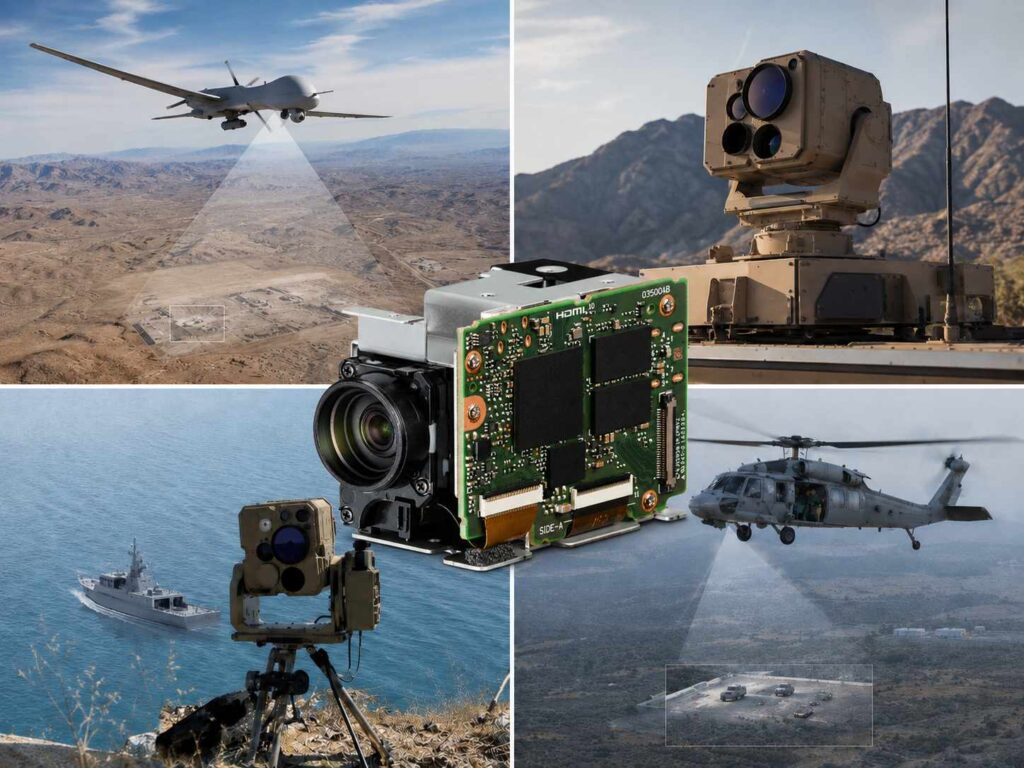
Zoom Block Cameras for Airborne, Ground, and Maritime Applications Zoom block cameras have become a critical technology across surveillance, defense, industrial monitoring, and public safety applications. Their ability to deliver long-range, high-quality imaging in compact and rugged form factors makes them ideal for airborne, ground-based, and maritime environments. As a key component of modern EO/IR systems, zoom block cameras play a vital role in achieving required Detection, Recognition, and Identification (DRI) performance. From UAV surveillance and border security to coastal monitoring and infrastructure inspection, these cameras provide the flexibility and imaging capability needed for demanding operational environments. What Are Zoom Block Cameras? A zoom block camera is a compact Electro Optical camera module that combines an image sensor, optical zoom lens, autofocus system, and image processing technology into a single integrated unit. Unlike conventional fixed-lens cameras, zoom block cameras are designed for long-range observation and dynamic imaging applications where operators need to identify or track objects at varying distances. Modern zoom block cameras are available in visible and NIR spectrum allowing them to operate effectively in both daytime and low-light environments. Many systems also support advanced features such as image…
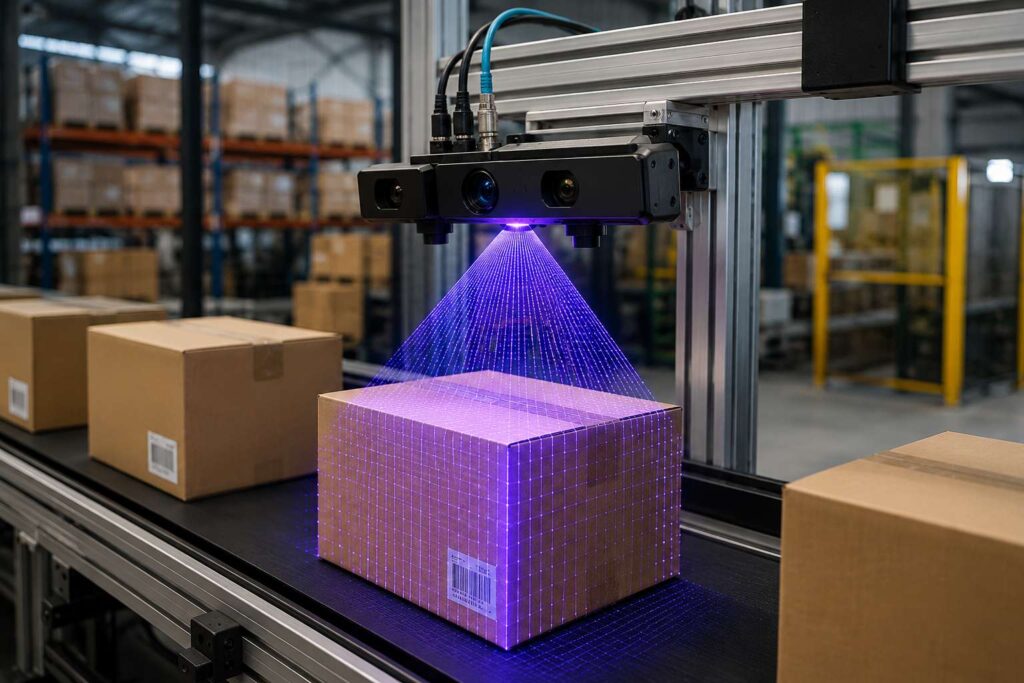
3D Imaging Technologies Explained: Stereo Vision vs. Laser Triangulation vs. Time-of-Flight 3D imaging has become a key part of modern machine vision systems, enabling machines to understand depth, shape, and spatial relationships rather than just capturing flat images. This capability is increasingly important across industrial automation, robotics, inspection, and autonomous systems. As industries move toward smarter and more data-driven operations, 3D vision is no longer optional but essential. Among the available approaches, three technologies are widely used in real-world applications: stereo vision, laser triangulation, and time-of-flight. Each operates on a different principle and is suited to different types of tasks. Understanding how they work and where they perform best is critical when selecting the right solution. What is 3D Imaging in Machine Vision 3D imaging refers to capturing depth information along with visual data so that a system can measure distances and reconstruct surfaces. In addition to X & Y coordinates from area scan cameras, 3D camera offer Z axis information enabling the height / depth information. Instead of relying only on color and intensity, 3D systems generate spatial data that can be used for measurement, inspection, and navigation. Common…
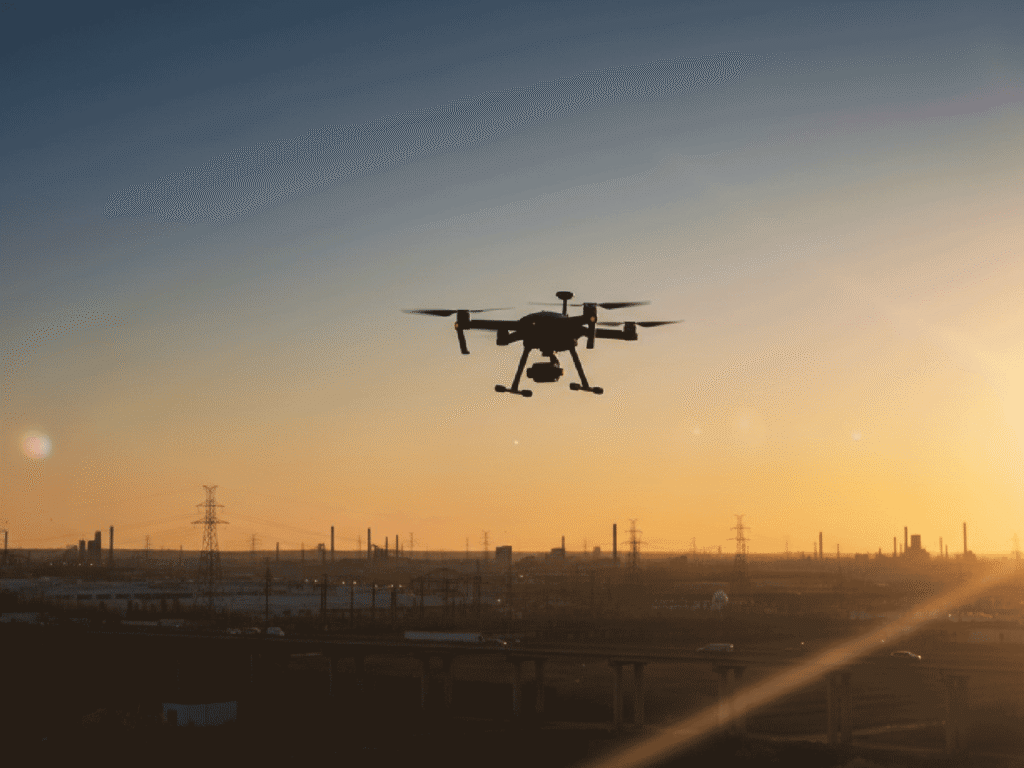
How to Select the Right LWIR Camera for Surveillance Applications Long-Wave Infrared (LWIR) cameras have become essential in modern surveillance because they detect heat instead of relying on visible light. Operating in the 8 to 14 µm range, they work in complete darkness and through challenging conditions such as fog, haze, smoke, and glare. Their passive operation makes them dependable for round-the-clock monitoring across industrial sites, borders, perimeters, and critical infrastructure. Selecting the right LWIR camera requires understanding several technical parameters, especially when the application demands reliable detection and identification. Understanding LWIR Technology LWIR cameras use uncooled microbolometer sensors that measure temperature differences in a scene and convert them into thermal images. Since all objects emit thermal radiation, LWIR cameras function independently of lighting conditions. This advantage makes them ideal for environments where visible cameras fail, such as at night, during storms, or in visually obstructed locations. LWIR imaging supports consistent surveillance across day and night cycles without reliance on artificial illumination. Evaluating Key LWIR Camera Specifications Selecting an LWIR camera requires evaluating its sensor attributes, sensitivity, image processing capabilities, and output interface. Each factor directly affects performance, clarity, and…
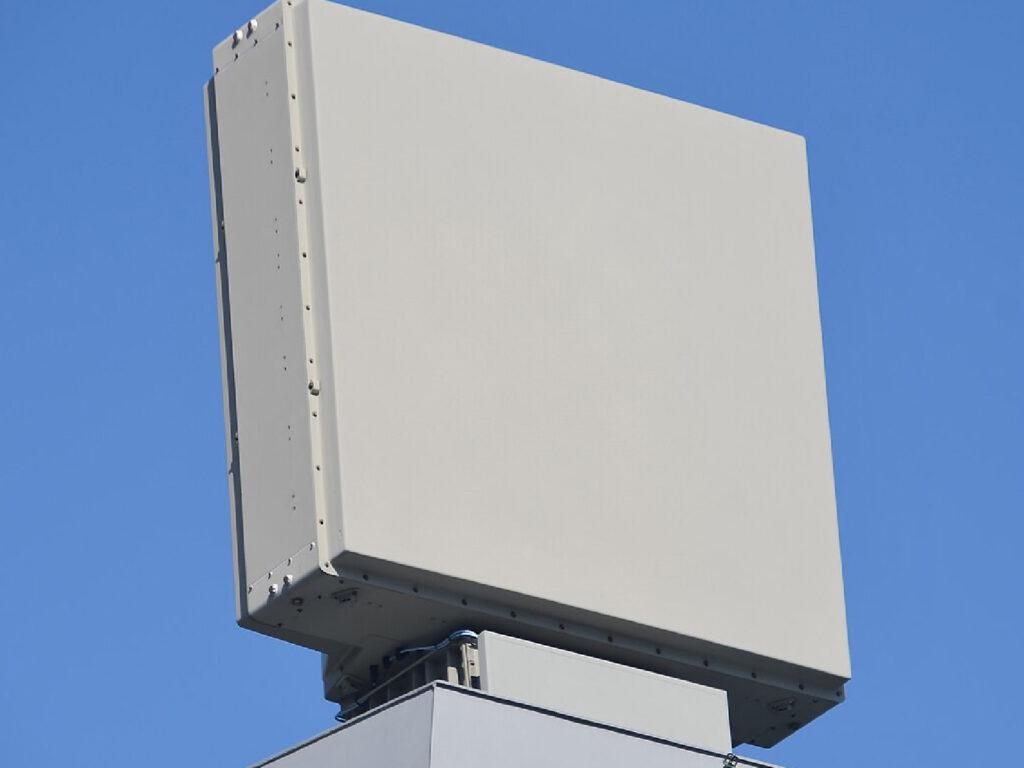
Long-Range Ground-Based Surveillance Systems: Key Technologies Explained In today’s world, securing wide and open areas such as borders, coastlines, airports, and energy facilities is more challenging than ever. Threats can emerge at long distances, often before they are visible to the naked eye. To stay ahead, organizations are increasingly relying on long-range ground-based surveillance systems, integrated solutions that bring together multiple technologies to provide continuous, accurate monitoring day and night, in all weather conditions. At the heart of these systems are five critical components: electro-optical (EO) cameras, infrared (IR) cameras, laser range finders (LRF), radar systems, and pan-tilt positioners. Each plays a unique role, and together, they create a powerful multi-sensor surveillance solution. Why Long-Range Surveillance Matters Wide-area surveillance is never simple. A single border fence can stretch hundreds of kilometres, a coastal area might face harsh fog, salt spray, and unpredictable weather. Relying on one type of sensor is not enough, cameras may struggle at night, radar may have difficulty identifying objects, and lasers alone cannot scan large areas. That’s why long-range systems integrate complementary technologies, ensuring early detection, clear identification, and precise tracking. This multi-sensor approach allows security…
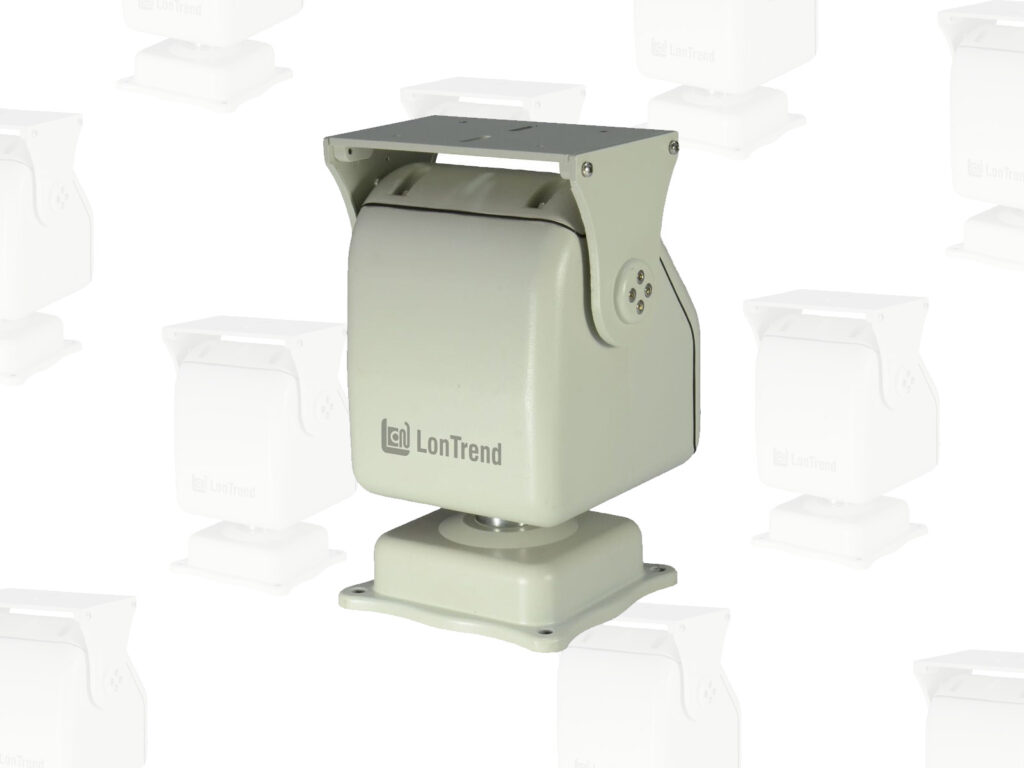
A Guide to Pan-Tilt Positioners: Features, Selection, and Use Cases In industries where precision monitoring and remote control are critical, pan-tilt positioners play a vital role. From defence surveillance and border security to industrial and offshore monitoring, these systems provide smooth, accurate control of cameras, sensors, and antennas. By enabling wide coverage, flexible movement, and reliable positioning, pan-tilt positioners help operators make better decisions in real time. This guide will break down what pan-tilt positioners are, their key specifications, how to select the right one, and the industries where they are most widely used. What is a Pan-Tilt Positioner? A pan-tilt positioner (PTP) is a mechanical device designed to control the orientation of equipment, usually cameras, sensors, or antennas. Pan refers to horizontal rotation (side to side). Tilt refers to vertical movement (up and down). Unlike consumer-grade pan-tilt camera heads, industrial-grade positioners are built to handle higher payloads, extreme environments, and continuous operation. They are widely used in security, defence, marine, and industrial automation systems. Key Features and Specifications of Pan-Tilt Positioners When evaluating pan-tilt positioners, engineers and system integrators usually focus on the following parameters: 1. Pan Speed &…
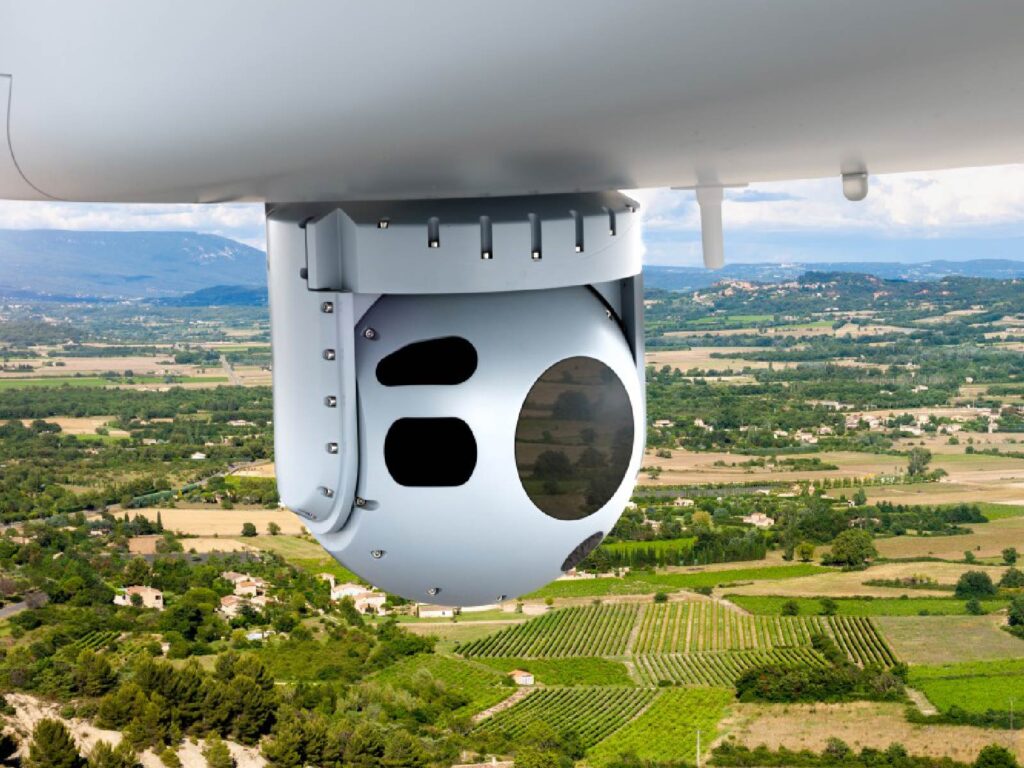
EO-IR Systems: A Game Changer in the Defence and Surveillance Space In today’s security and defence landscape, the ability to monitor, detect, and track potential threats with precision is more crucial than ever. Electro-Optical and Infrared (EO-IR) systems serve as the backbone of modern surveillance, providing unparalleled visibility across a range of environments and conditions. These advanced imaging systems are widely used in military operations, homeland security, and industrial monitoring to ensure continuous situational awareness. This article explores the fundamentals of EO-IR systems, various zoom options that enhance surveillance capabilities, the concept of Detection, Recognition, and Identification (DRI), and the overall impact of these technologies on defence and security applications. What Are EO-IR Systems? EO-IR systems are sophisticated imaging solutions that combine electro-optical (EO) and infrared (IR) sensors to capture real-time visuals in both visible and non-visible spectrums. These systems are essential for detecting objects in low-light, adverse weather, and high-security environments. Key Components of EO-IR Systems Electro-Optical (EO) Sensors EO sensors capture high-resolution images using visible light, functioning similarly to standard digital cameras. They are particularly effective in daylight operations, providing clear and detailed images for surveillance, reconnaissance, and…
The Infinite Possibilities of Non Visible Imaging & How to Embrace It Machine vision and image processing systems have been able to achieve breakthroughs across industries by measuring or inspecting complex objects of varied shapes, sizes and materials.However, a vast majority of these systems have been traditionally designed to operate in the visible light range of the electromagnetic spectrum. This is the range of light that the human eye can detect and have wavelengths ranging from 400 – 700 nanometers (nm). But, that is just the tip of the iceberg! With the applications of machine vision going full steam in the visible range, tech enthusiasts are now exploring frontiers beyond the visible spectrum. Adding to the shift, technology advancements in vision systems have also evolved beyond the visible range and are now delivering the same precision across spectrums outside the visible range. Let’s dive into the slew of applications of non-visible imaging and the prerequisites to extract the best results. Non Visible Imaging Radiations: Infrared, Thermal and Ultraviolet The electromagnetic (EM) spectrum consists of the entire range of electromagnetic radiations with varying frequencies, wavelengths and photon energies. Considering wavelength, the…